
Lancaster County Deed Records
Lancaster County deed records are maintained by the Recorder of Deeds and are accessible through the county's dedicated website at lancasterdeeds.com. The office records deeds, mortgages, powers of attorney, UCC filings, and many other real estate instruments for land in Lancaster County. Known as Pennsylvania Dutch Country, Lancaster County has one of the most active property markets in the commonwealth, blending Amish farmland with suburban development and commercial activity. You can search Lancaster County deed records online or visit the courthouse in Lancaster for in-person access.
Lancaster County Quick Facts
Lancaster County Deed Records Overview
Lancaster County was established in 1729, making it one of Pennsylvania's oldest counties. The county seat is Lancaster, a city with a rich colonial and industrial history. Land records in Lancaster County date to the county's formation and represent a nearly three-century archive of property ownership. The county is one of the most densely populated outside of the Philadelphia suburbs, with a mix of urban neighborhoods, suburban communities, and the famous agricultural landscapes associated with the Amish and Mennonite communities of Pennsylvania Dutch Country.
The Lancaster County Recorder of Deeds provides centralized access to public real estate documents through its dedicated website at lancasterdeeds.com. The office handles a high volume of recordings due to the county's active property market. Documents accepted include deeds, mortgages, mortgage satisfactions and assignments, powers of attorney, leases, UCC filings, real estate agreements, non-profit corporation charters, notary commissions, elected official commissions, and veterans' discharge documents. Under 21 P.S. § 351, recording establishes the official public record of property ownership and protects against later competing claims.
Lancaster County's property records reflect the full range of land use patterns in the area, from small urban row houses in Lancaster City to large agricultural tracts in rural townships. Many Amish and Mennonite farm properties transfer within families or communities, creating a pattern of repeat ownership among the same surnames across the grantor and grantee index. Researching these properties can require looking through multiple generations of transfers under similar or identical names. The recorder's indexing system provides the tools to do this research efficiently.
Lancaster County Recorder of Deeds
The Lancaster County Recorder of Deeds operates a dedicated website at lancasterdeeds.com that provides recording information, search capabilities, fee schedules, and recording requirements. The county also maintains recorder information on the main county site at co.lancaster.pa.us. The recorder's office is an elected position with a four-year term and serves all of Lancaster County's municipalities. Property assessment information can be found at co.lancaster.pa.us/149/Property-Assessment.
| Office |
Lancaster County Recorder of Deeds 150 North Queen Street, Suite 310 Lancaster, PA 17603 Phone: (717) 299-8238 |
|---|---|
| Main Website | lancasterdeeds.com |
| County Website | co.lancaster.pa.us/Recorder-of-Deeds |
| Property Assessment | co.lancaster.pa.us/Property-Assessment |
Searching Lancaster County Deed Records Online
Lancaster County's Recorder of Deeds provides a search portal through its official website. The search tool at lancasterdeeds.com lets you look up recorded documents by name, instrument number, document type, or date range. Document images are available for viewing and printing. The system is accessible at any time from any internet connection. The county also makes property assessment records searchable through the assessment office, which can help you identify deed references for specific parcels.
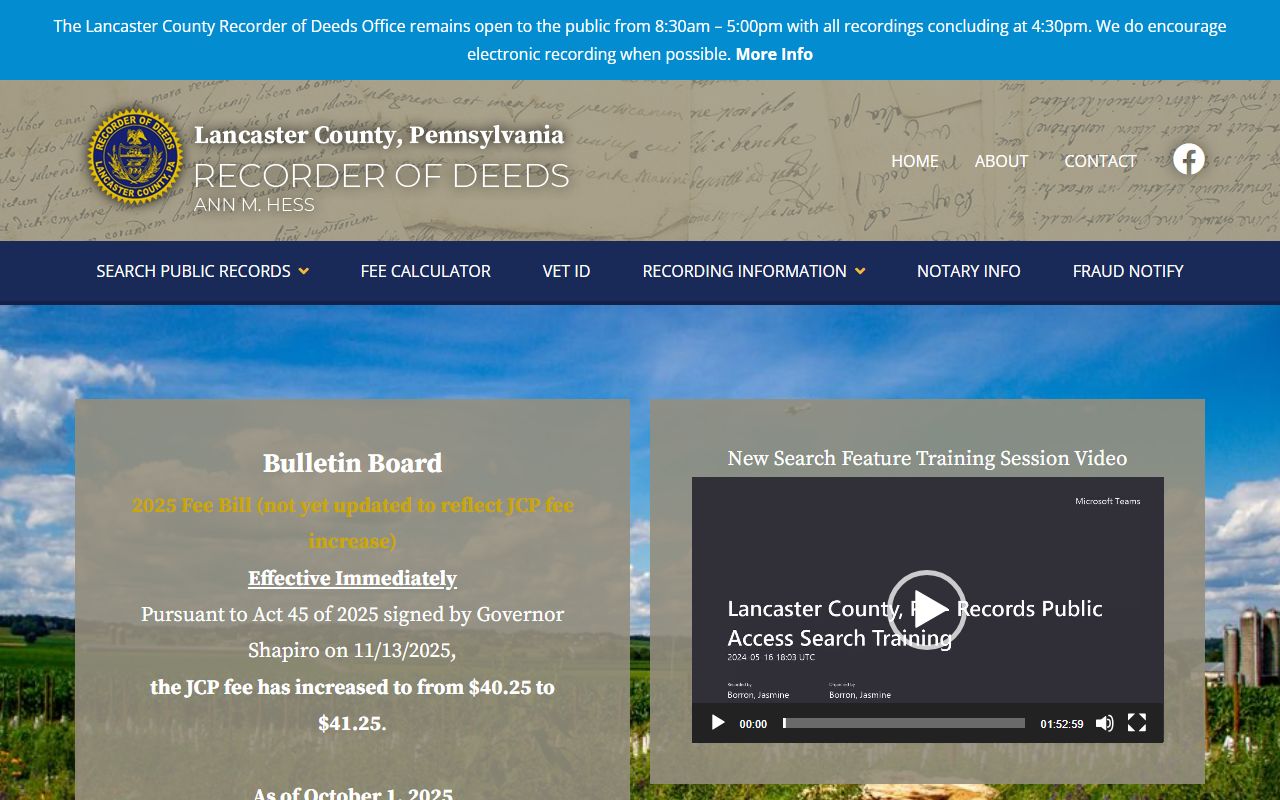
The Lancaster County Recorder of Deeds website at lancasterdeeds.com is the primary tool for searching and recording real estate documents in Lancaster County, offering online access to the county's deed index and document images.
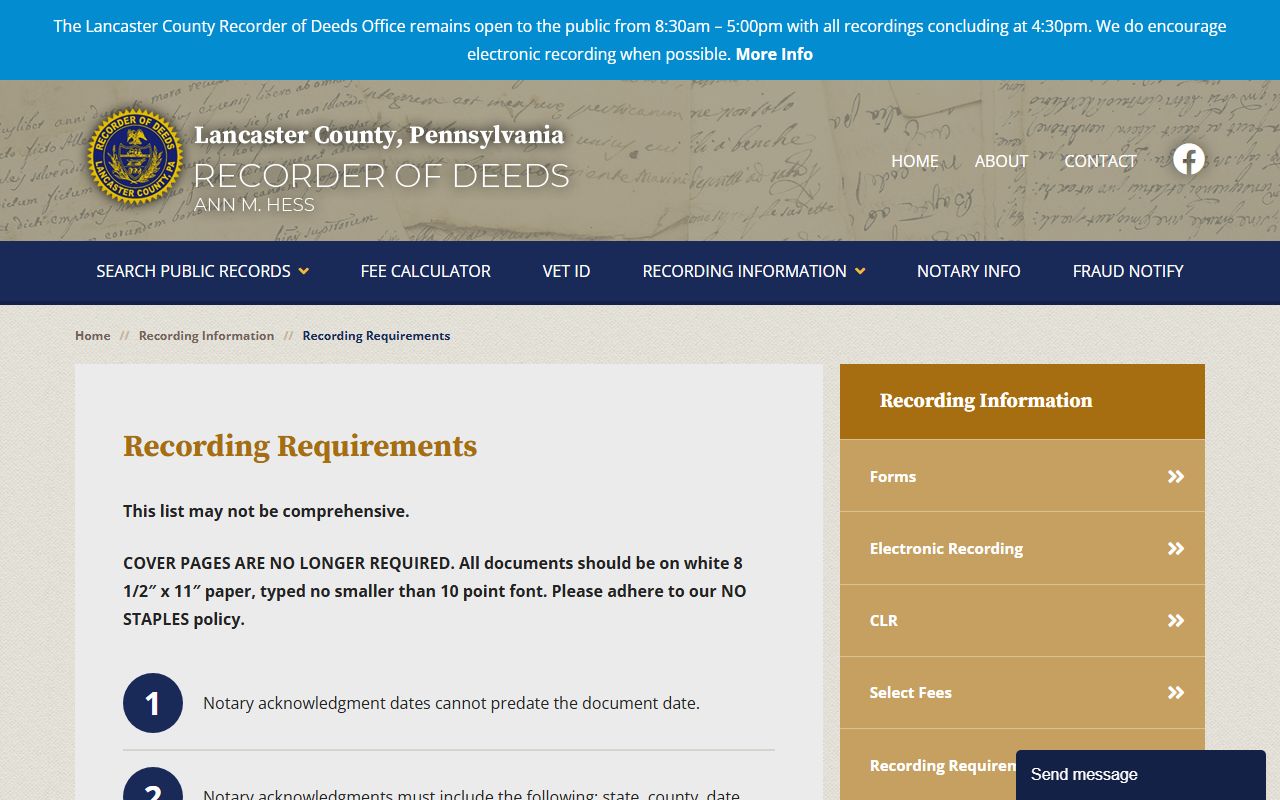
The recording requirements page at lancasterdeeds.com provides detailed specifications for all documents submitted to the Lancaster County Recorder of Deeds, including paper size, notary standards, payment rules, and address requirements.
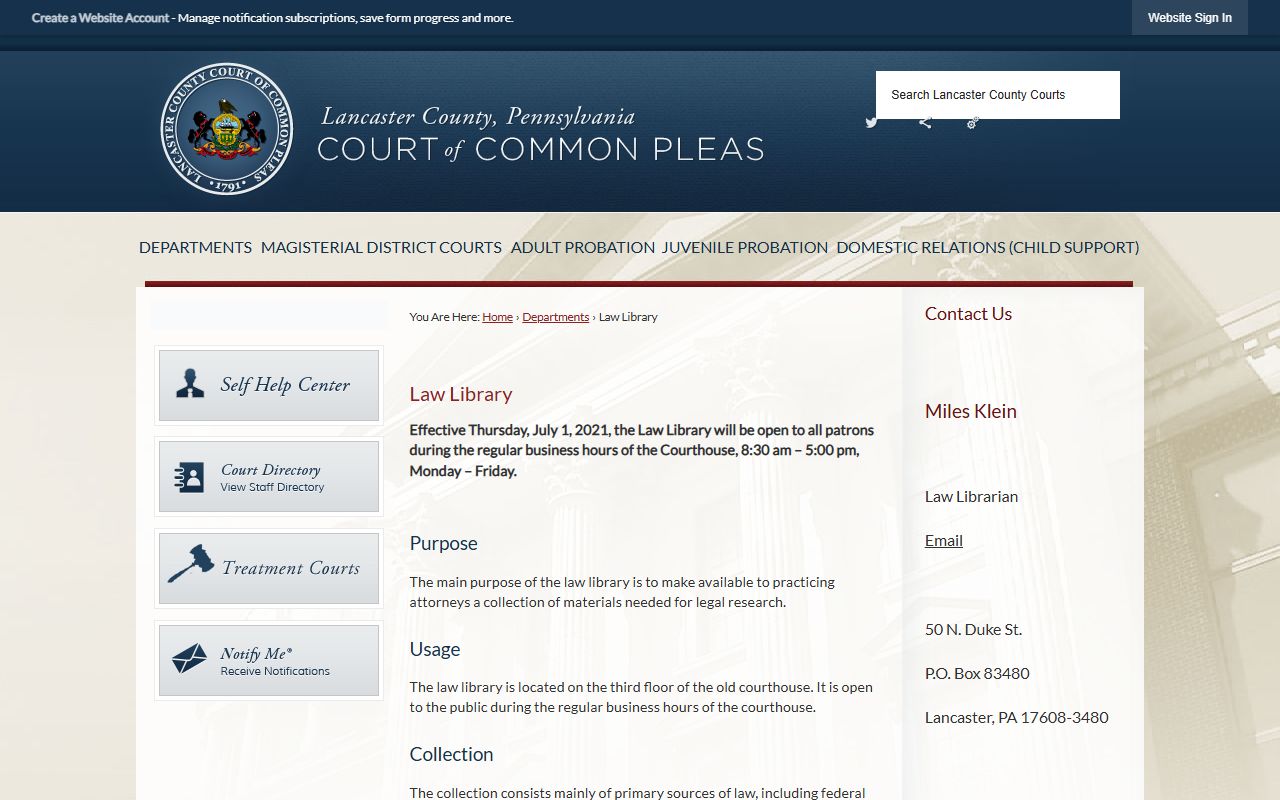
The Lancaster County official site at co.lancaster.pa.us also provides access to the Recorder of Deeds office information and links to recording services, connecting to the same resources available through lancasterdeeds.com.
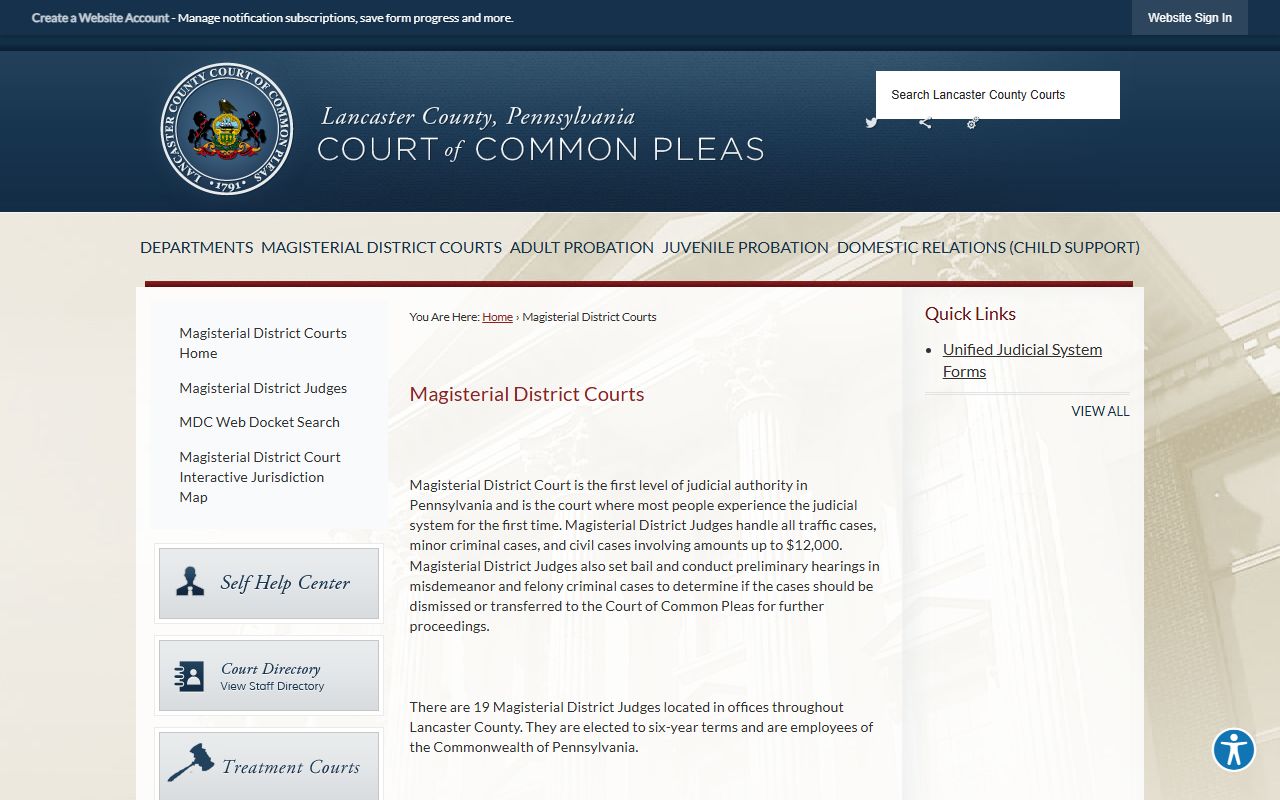
The Lancaster County Property Assessment office page provides parcel-level data that references deed book and page numbers, making it a useful tool for locating specific deed records within the recorder's system.
The statewide portal at pa.uslandrecords.com also provides access to Lancaster County deed records as a secondary resource. For fee information and a directory of Pennsylvania county recorders, visit padeeds.com.
Recording Requirements in Lancaster County
The Lancaster County Recorder of Deeds has detailed recording requirements posted at lancasterdeeds.com/recording-information/recording-requirements. All documents must be on white 8.5 by 11 inch paper and typed in a font no smaller than ten points. Cover pages are no longer required. Staples are not accepted. Notary acknowledgment dates cannot predate the document date. The notary must include the state, county, date, names of persons appearing, signature, and expiration date. A notary seal is optional for Pennsylvania notaries.
Several payment rules apply in Lancaster County. Personal checks are not accepted for amounts over $75 or for payment of transfer tax. Accepted forms of payment include cash, certified checks, corporate checks, money orders, and credit cards. Credit cards carry a 2.5 percent fee for transactions over $50 and a flat $1 fee for transactions under $50. No refunds are issued for incorrect payments, and returned checks carry a $25 fee. Checks made out for blank amounts are not accepted. All documents must indicate the municipality, county, and state where the property is located.
For deeds, P.O. boxes may not be used as the certified address of the grantee, though tax bills may be directed to a P.O. box as a secondary notation. Tax parcel ID numbers with district codes must appear on all deeds. Transfer tax and a Statement of Value form must accompany all taxable transfers. Under 72 P.S. § 8102-C, the state collects one percent and the local municipality collects its own rate. For properties located in more than one municipality, the deed must state the percentage division of local transfer taxes by municipality.
Note: Lancaster County does not accept blanket assignments or blanket releases, and transactions involving multiple documents are limited to ten documents per submission.
Agricultural Property Deeds in Lancaster County
Lancaster County is one of the most productive agricultural counties in the eastern United States. Farmland here is among the most valuable in Pennsylvania, and agricultural deeds reflect the high demand for farmland in the region. Many farms have stayed in the same family for generations, creating layered ownership histories that require careful research through the grantor and grantee indexes. Some tracts have been subdivided over time as farms are broken up or lots are carved out for new development, adding complexity to title research.
The Clean and Green program and the Lancaster County Agricultural Preserve Board have both placed conservation easements on significant amounts of farmland in the county. These easements are recorded as separate documents and restrict how the land can be used even after it is sold. When researching a Lancaster County farm property, it is important to check for recorded easements in addition to the deed chain. Easement documents appear in the recorder's index under the name of the grantor who placed the easement.
Under 16 P.S. § 9781, county recorders are required to maintain proper indexes so that all recorded documents are findable by the parties' names. This requirement ensures that conservation easements, deed restrictions, and other encumbrances recorded against farmland in Lancaster County are discoverable through the standard name search. Researchers should search not just for the landowner's name but also for any government entity or land trust that may have recorded an easement against the property.